
Scope of inspection
Structural frame, foundations, roof, exterior walls, water-tightness, drainage, and signs of deterioration or past leaks. Appliances and cosmetic items are excluded.
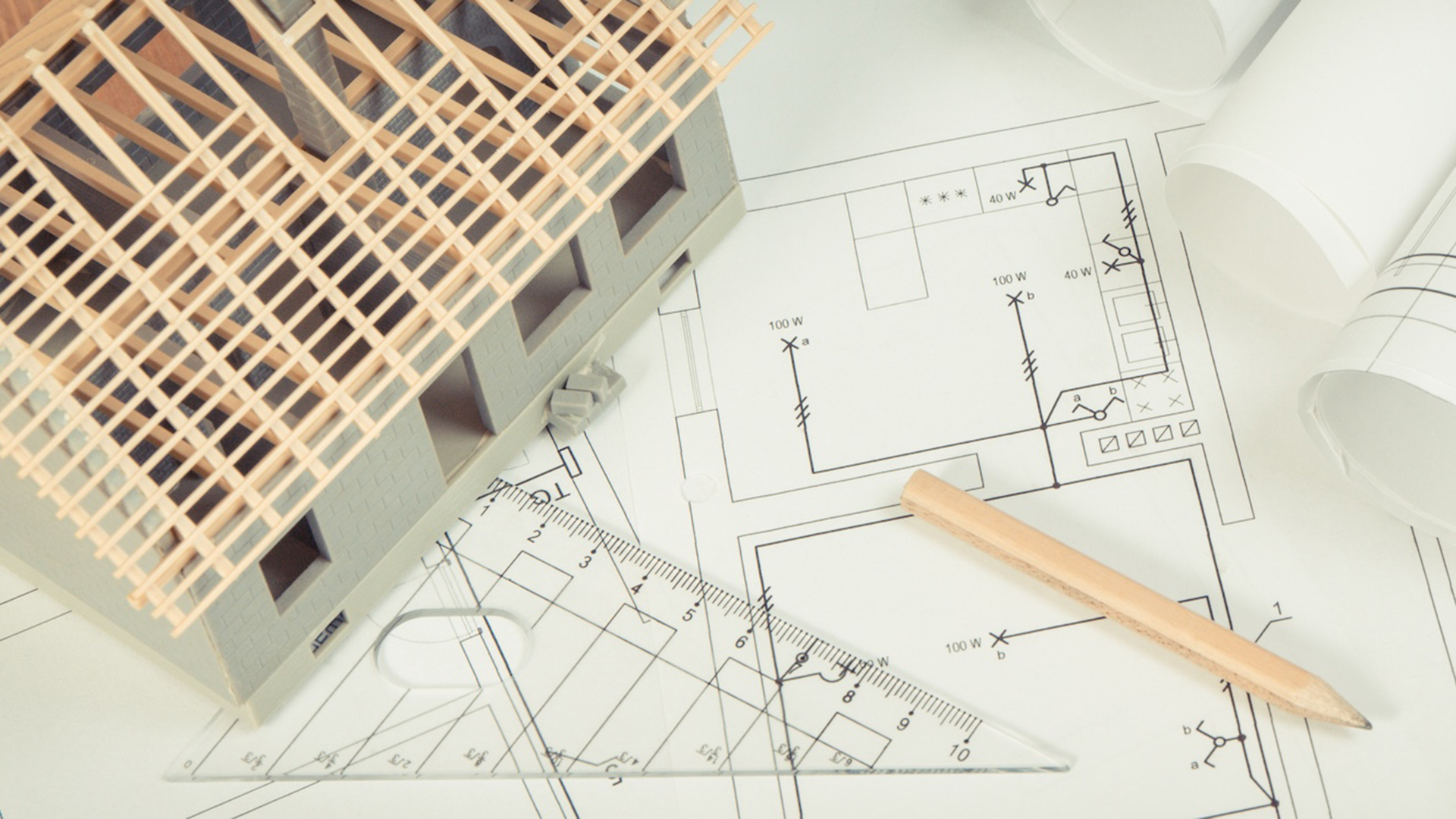
Pre-owned homes offer better value and location in Japan, but come with two questions every foreign buyer should ask: was it built to the post-1981 seismic standard, and what does the inspection actually cover?
Budget roughly 5–6% of the purchase price for closing costs and first-year taxes.
| Criterion | New (新築) | Used (中古) |
|---|---|---|
| Price per sqm | Premium — 20–40% above comparable used stock. | Significantly lower; budget goes further. |
| Location quality | Often in newer or peripheral districts; prime lots are scarce. | Best locations are already built on — often only accessible used. |
| Repair risk | Low — 10-year structural warranty, modern materials. | Higher — depends on age, maintenance history and seismic era. |
| Seismic standard | New standard (post-Jun 1981) guaranteed. | Depends on construction date — must verify before offer. |
| Tax preferences | Full reduction on acquisition tax & registration tax. | Partial reductions if certified (e.g. Anshin R Jutaku). |
| Investment yield | Lower gross yield; premium price drags returns. | Higher gross yield; renovation can unlock uplift. |
| Depreciation | Steepest drop in the first ~10 years. | Already absorbed — closer to land value. |
A non-destructive survey by a qualified inspector. For any used home we strongly recommend ordering one before signing the purchase agreement.
Structural frame, foundations, roof, exterior walls, water-tightness, drainage, and signs of deterioration or past leaks. Appliances and cosmetic items are excluded.
A nationally certified existing-home inspector (既存住宅状況調査技術者) — typically a licensed first-class architect with the additional national certification.

¥50,000 – ¥120,000 for a single detached home depending on size and age. Condominium unit inspections are typically at the lower end of the range.

A government-backed certification for used homes that clear a quality bar set by MLIT (国土交通省).
A property labelled Anshin R has passed a recent building inspection, meets the post-1981 seismic standard (or has been retrofitted), and comes with a prepared disclosure bundle covering renovation history and known defects.
Why it matters for foreign buyers: the certification condenses the due diligence that a first-time buyer might not know to ask for. You still order your own inspection — but the baseline information is already on the table.
Benefits: clearer price negotiation, smoother financing (some lenders give preferential rates), and possible reductions on acquisition and registration taxes if combined with a qualifying renovation.
Japan's building code was overhauled in June 1981. Everything depends on which side of that line the property sits on.
After the 1978 Miyagi earthquake exposed weaknesses in the existing code, Japan introduced a fundamentally stronger set of requirements effective June 1, 1981. Buildings designed under the new code performed dramatically better in the 1995 Kobe and 2011 Tōhoku earthquakes.
For buyers this matters in three ways: mortgages and insurance are easier on post-1981 buildings; acquisition tax reductions typically only apply to post-1981 (or properly retrofitted) homes; and resale liquidity is meaningfully higher.
Pre-1981 stock is not automatically off the table — many have been retrofitted to the new standard. But you must verify the construction date and any retrofit certificate before making an offer.
A condensed version of the checklist we run on every used-property purchase.
Japan's Civil Code (reformed in 2020) replaced the old "defect liability" with a broader "contract non-conformity" regime. It cuts both ways for used property.
If the delivered property differs from the contract — in type, quality or quantity — the buyer can demand repair, price reduction, damages or contract cancellation within a notification window (typically 1 year from discovery).
Most used-property contracts between individual sellers now limit or exclude non-conformity liability. That clause is legal, but it shifts nearly all structural risk onto the buyer. Always read it carefully and renegotiate if the scope is too broad.
Buyer discovered extensive rot beneath a first-floor bathroom 4 months after closing. The contract excluded non-conformity liability for items “not visible without demolition”. Buyer bore the full ¥3.2M repair cost. Lesson: a pre-signing inspection focused on plumbing joins and subfloor humidity would have caught it.
A previous owner had removed a load-bearing wall without the association’s approval. The new buyer was ordered by the board to restore it. Seller was individual (not a licensed broker) — liability was excluded. Lesson: always pull the renovation records from the condo association, not just the seller.
An unregistered boundary encroachment from a neighbour’s retaining wall surfaced in the post-closing survey. The non-conformity clause covered land — so the seller was liable and reduced the price retroactively. Lesson: land-related non-conformity is typically harder to exclude; push back if the contract tries.
A riverside property had flooded in 2019. The seller omitted this from disclosure; the buyer discovered it when filing an insurance claim later. Because intentional concealment cannot be excluded by contract, the buyer successfully reclaimed restoration costs. Lesson: hazard-map checks + direct questioning about flood history protect you even when contracts are restrictive.
Share the listing and we will run our 10-point checklist for you — construction date, seismic status, management reserves, contract clauses, and more. Free of charge.
Submit Your Requirements →Choose which cookies you allow. Necessary cookies are always on because the site can't work without them. You can change your choice at any time from the “Cookie settings” link in the footer.
Strictly necessary
Required for core features such as page navigation, security, and submitting forms. These do not store tracking information.
Analytics
Help us understand which pages are visited so we can improve content and performance (e.g. Google Analytics). Off until you allow them.
Marketing
Used to measure advertising and show relevant content. Off until you allow them.